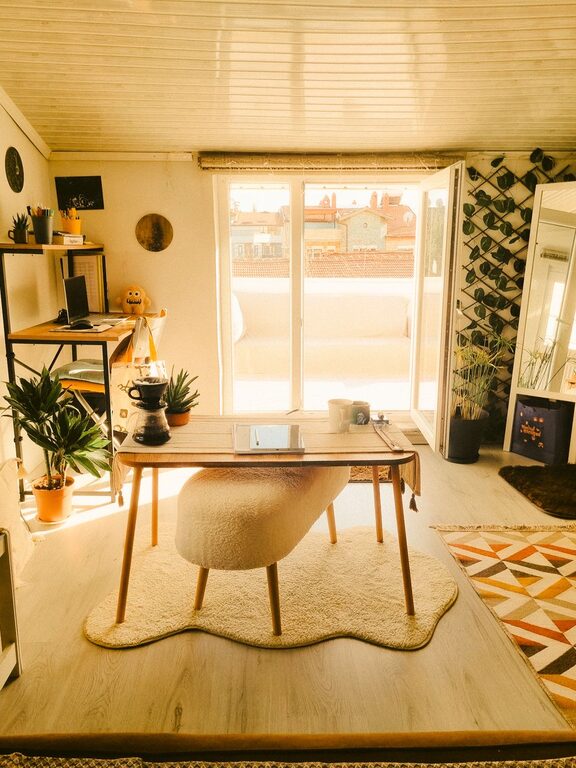
Creating a home office that feels cozy and inviting can transform your workday experience. Whether you’re working remotely full-time or just need a dedicated space for occasional tasks, a well-designed home office boosts productivity and comfort. Below are tips to help you craft a space that invites focus without sacrificing warmth.
1. Choose the Right Location
Start by selecting a spot in your home that supports concentration and minimal distractions.
– Natural Light is Key: Set up near a window if possible. Natural daylight improves mood and reduces eye strain.
– Privacy Matters: Pick a quiet corner or a smaller room where you can focus without interruptions.
– Consider Noise Levels: Avoid high-traffic areas or find solutions like noise-canceling headphones or soundproofing for busy homes.
2. Invest in Comfortable Furniture
Comfort is vital since you may spend hours sitting and working.
– Ergonomic Chair: Choose a supportive chair that encourages good posture. Look for adjustable height and lumbar support.
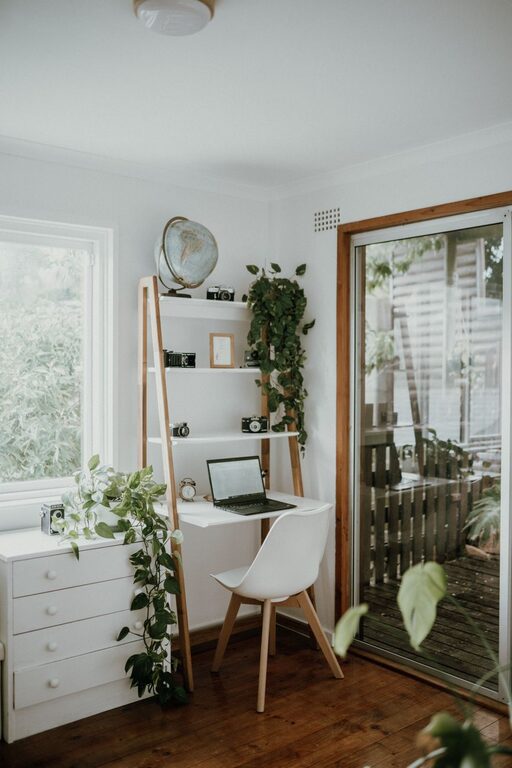
– Functional Desk: Pick a desk that fits your space and work style. Standing desks are increasingly popular for their health benefits.
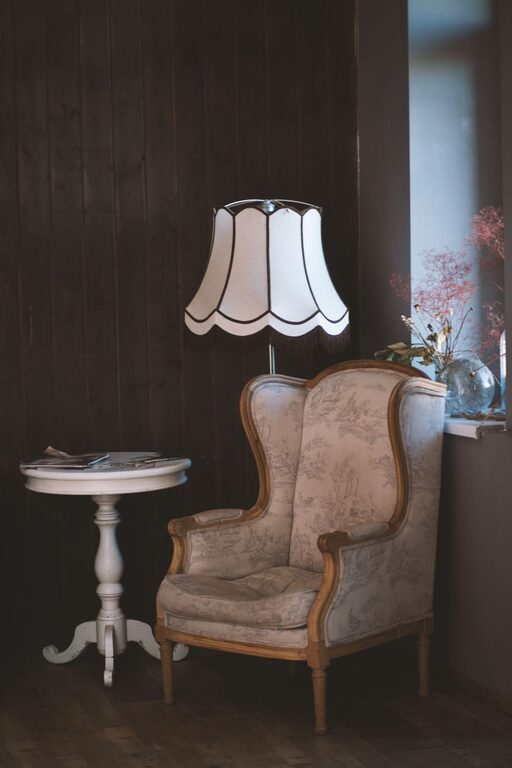
– Additional Seating: Consider a cozy chair or small sofa for breaks or reading.
3. Personalize Your Space
Adding personal touches makes your office feel inviting and less sterile.
– Artwork and Photos: Hang inspiring prints or favorite photos that put you in a positive mindset.
– Plants: Adding greenery boosts aesthetics and creates a calming atmosphere. Low-maintenance plants like succulents or pothos work well.
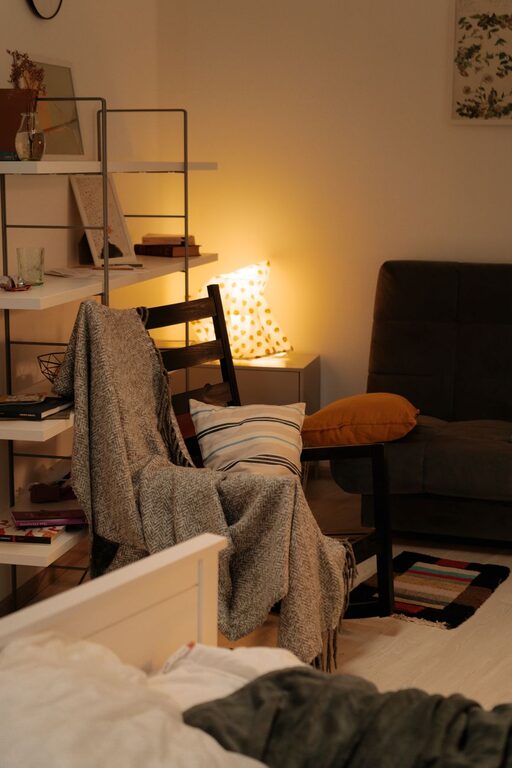
– Rugs and Textiles: A soft rug or cushy cushions add warmth and texture.
– Decorative Storage: Use stylish bins or shelves to keep items organized and visually pleasing.
4. Optimize Lighting
Good lighting supports productivity and prevents eye fatigue.
– Layered Lighting: Use a combination of overhead lights, task lighting (desk lamps), and ambient sources to balance brightness.
– Adjustable Lamps: Desk lamps with adjustable arms offer control over lighting angles, ideal for focused work.
– Warm Light Bulbs: Lights with a warm color temperature create a relaxing environment compared to harsh, cool lighting.
5. Keep It Organized
Clutter can increase stress and lower efficiency. Maintain an organized workspace by:
– Decluttering Regularly: Remove anything you don’t use often.
– Storage Solutions: Use drawers, shelves, and filing cabinets to keep papers and supplies tidy.
– Cable Management: Employ clips or sleeves to hide and manage cords for a clean look.
– Minimalist Approach: Keep only essential items on your desk to maintain focus.
6. Incorporate Technology Thoughtfully
Ensure your tech supports your work without overwhelming the space.
– Monitor Placement: Position your screen at eye level to avoid neck strain.
– Wireless Devices: Use wireless keyboards, mice, and headphones to reduce clutter.
– Charging Stations: Dedicated areas for charging devices keep cables corralled.
– Good Wi-Fi: Reliable internet connection is essential for productivity.
7. Use Colors That Promote Calm and Focus
Color can impact mood and energy levels.
– Soft Neutrals: Shades like beige, soft gray, and cream offer a calming backdrop.
– Accent Colors: Incorporate blues or greens, known to reduce stress and improve concentration.
– Avoid Overly Bright Colors: While they can energize, bold tones might be distracting for some.
8. Add Elements for Mental Wellness
A positive workspace supports mental health.
– Incorporate Aromatherapy: Essential oil diffusers or scented candles with lavender or eucalyptus promote relaxation.
– Personal Break Area: If space allows, create a nook for short breaks with a comfortable chair and some reading material.
– Natural Elements: Wood and stone decor can create a grounding feeling.
9. Maintain Good Air Quality
Fresh air improves focus and well-being.
– Ventilation: Open windows when possible or use fans to circulate air.
– Air Purifiers: These can remove dust and allergens, especially in small or closed rooms.
– Plants: As mentioned, some indoor plants help filter air.
10. Keep Your Workspace Flexible
It’s helpful to have options for different working styles.
– Standing Options: A convertible desk lets you alternate between sitting and standing.
– Whiteboard or Corkboard: Useful for jotting down ideas, reminders, or organizing tasks visually.
– Multiple Zones: If space allows, set up separate areas for computer work, brainstorming, and reading.
—
Final Thoughts
Designing a cozy and inviting home office isn’t just about aesthetics—it’s also about creating a space where you feel comfortable and motivated. By blending practical choices like ergonomic furniture and lighting with personal touches such as plants and favorite colors, your home office can become a place you look forward to spending time in every day. Start with small changes and adjust according to your needs to make the most of your workspace.
About the Author