Creating an organized home workspace is essential for enhancing productivity and maintaining focus throughout your workday. Whether you are new to working from home or looking to improve your current setup, a well-organized environment can make a significant difference in your efficiency and overall work satisfaction. This post will guide you through practical tips to organize your home workspace for better productivity.
Why Organizing Your Workspace Matters
An uncluttered and thoughtfully arranged workspace helps reduce distractions and stress. It allows you to find what you need quickly and keeps your mind clear, so you can concentrate better on your tasks. When your workspace is personalized and functional, it encourages you to maintain a steady workflow and motivates you to stick to your work schedule.
Assess Your Current Workspace
Before diving into reorganization, take some time to evaluate your current setup. Ask yourself:
– What items do I use daily, weekly, or rarely?
– Which areas feel cluttered or underutilized?
– Am I comfortable with my current seating and desk arrangement?
– How does the lighting affect my focus?
Answering these questions will help you identify areas for improvement.
Tips for Organizing Your Home Workspace
1. Choose the Right Location
Select a quiet, well-lit spot in your home for your workspace. Ideally, it should be away from heavy traffic or household distractions. Natural light is beneficial for energy and mood; if natural light is limited, consider a bright desk lamp with adjustable settings.
2. Invest in Ergonomic Furniture
Comfort matters. Choose an ergonomic chair and a desk with ample surface space. Proper ergonomics minimize physical discomfort and fatigue, helping you work longer and more effectively.
3. Declutter Regularly
Remove unnecessary items from your desk and shelves. Keep only what you need for daily tasks on hand. Regularly decluttering prevents the buildup of paperwork, gadgets, or office supplies that can become distractions.
4. Use Storage Solutions
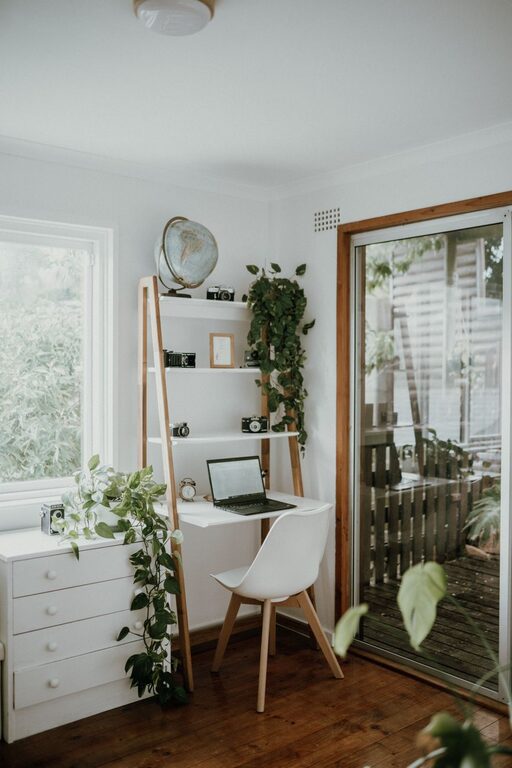
Use drawers, shelves, filing cabinets, or storage boxes to keep items organized and out of sight. Label containers for easy identification. Vertical storage can save space and keep essential documents or supplies close at hand.
5. Create Zones for Different Activities
If space allows, designate specific areas for activities like computer work, paperwork, and creative tasks. This approach helps your brain switch gears and stay organized by activity type.
6. Manage Cables and Electronics
Tangled cables create visual clutter and can be frustrating. Use cable organizers, clips, or sleeves to keep cords neat and out of the way. Keep only the electronics you need on your desk and store excess devices elsewhere.
7. Personalize Your Space Thoughtfully
Adding photos, plants, or artwork can make your workspace inviting and increase your motivation. Just avoid overdecorating, which can lead to distractions.
8. Implement a Filing System
Paper documents can pile up quickly. Use a simple filing system with categories such as “To Do,” “In Progress,” and “Completed.” Regularly file or recycle documents to keep your space tidy.
9. Plan Your Workspace Layout
Arrange items based on frequency of use. Keep the most-used supplies within arm’s reach, and store rarely used items further away. This saves time and keeps your desk from becoming overcrowded.
10. Schedule Daily and Weekly Cleanups
Spend a few minutes at the end of each day putting things back in order. A weekly deeper clean will keep your workspace functional and pleasant.
Additional Tips for Maintaining Productivity
– Set Boundaries: Let family or housemates know your work hours to minimize interruptions.
– Use Task Lists or Apps: Keep track of your daily goals to stay organized and focused.
– Take Breaks: A well-organized workspace should also support healthy work habits, including taking regular breaks to avoid burnout.
Final Thoughts
Organizing your home workspace is an ongoing process that adapts as your work and needs change. Small improvements can have a big impact on your productivity and job satisfaction. By creating a comfortable, clutter-free, and personalized environment, you set yourself up for success and enjoy your workday more fully. Start with a few tips today and see how your productivity rises!
About the Author