Creating a comfortable and relaxing home workspace is essential for maintaining productivity and well-being during your workday. A thoughtfully designed environment helps reduce distractions, eases stress, and supports focus. Whether you are working remotely full-time or occasionally, these tips will help you set up a space that feels inviting and encourages productivity.
Choose the Right Location
Start by selecting an area in your home that allows you to concentrate without frequent interruptions. Ideally, this should be a quiet corner, away from the traffic of household activities. If space is limited, look for underutilized spots like a nook or part of a guest room.
Prioritize Natural Light
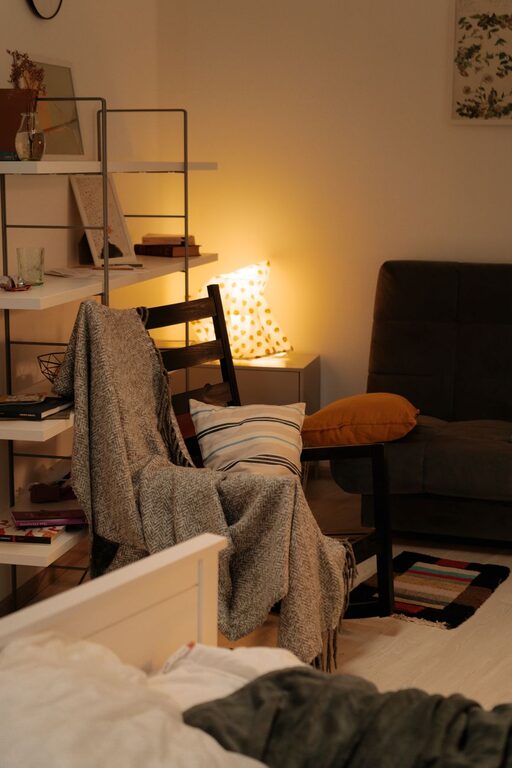
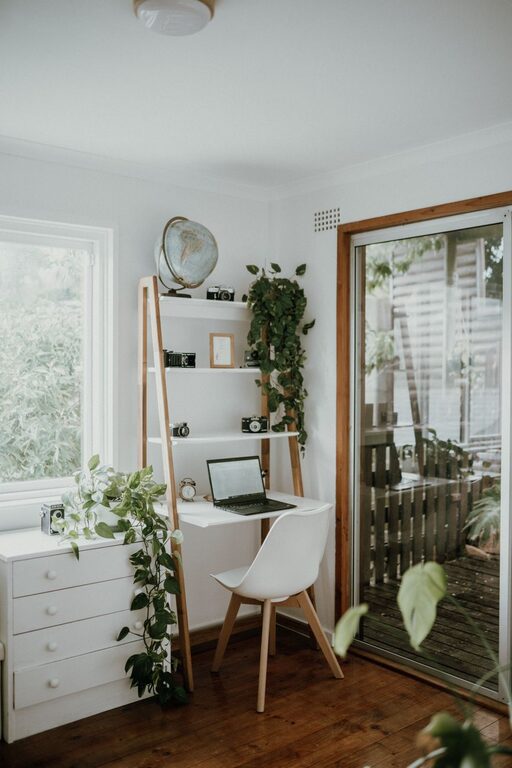
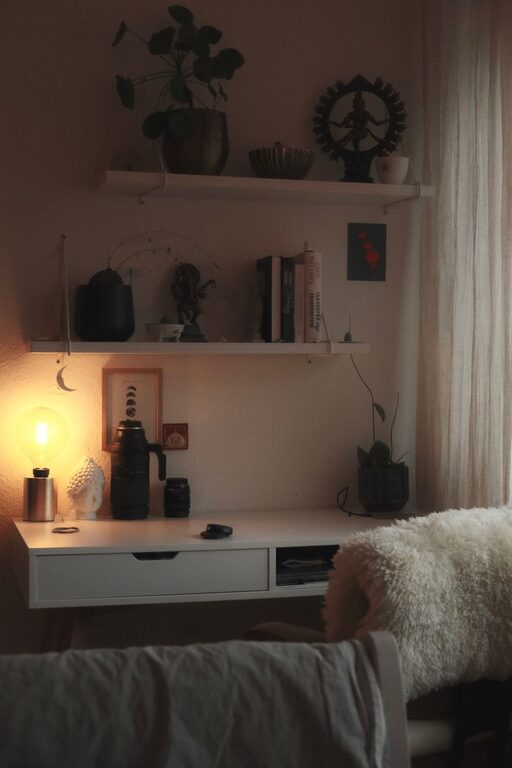
Natural light positively affects mood and energy levels. Position your desk near a window to benefit from daylight. If this is not possible, choose warm, adjustable lighting that mimics natural light to reduce eye strain and maintain alertness.
Invest in Comfortable Furniture
Comfortable seating and a suitable desk height are crucial for long hours of work. An ergonomic chair supports your back and promotes good posture. Your desk should give you enough space for your computer, accessories, and essential items, allowing a clutter-free surface.
Keep Your Workspace Organized
An organized space helps clear your mind and improve efficiency. Use storage solutions like shelves, drawers, or boxes to keep paperwork and supplies tidy. Regularly declutter your desk to avoid distractions from unnecessary items.
Incorporate Calming Colors and Decor
Colors influence mood and productivity. Soft, neutral colors like blues, greens, or earthy tones create a soothing atmosphere. Add plants or artwork that you find relaxing to personalize your area and make it feel inviting.
Control Noise Levels
Ambient noise can be distracting, so consider ways to manage sounds in your workspace. Use noise-canceling headphones if you live in a noisy environment, or play gentle background music to maintain focus. Closing doors or using rugs can also help absorb sound.
Establish a Routine and Boundaries
A relaxing workspace is not only about physical setup — it also involves habits and boundaries. Set clear work hours and communicate them with people you live with. Having a consistent routine helps your brain switch into work mode more easily.
Include Personal Comfort Items
Small touches like a favorite mug, a soft blanket, or comfortable slippers can improve your comfort and mood during the day. Keeping a water bottle nearby encourages hydration, which supports concentration.
Take Breaks Within Your Space
Make sure your workspace allows for easy breaks without leaving the area completely. A comfortable chair or a small relaxation corner can help you step away from your desk and recharge briefly.
Keep Technology in Check
Use technology tools that make your work smoother but avoid having too many devices that may cause distractions. Consider cable management solutions to create a neat and clean desk surface.
Final Thoughts
Designing a relaxing home workspace may take some trial and error, but it is worth the effort. A calm and organized environment supports your productivity and makes working from home more enjoyable. Start with these tips and adapt your space to fit your unique needs, creating a place where you can focus and feel comfortable every day.
About the Author